





How to Choose Veterinary Medical Accessories: A Comprehensive Guide for Professionals and Pet Owners
Selecting the right accessories for veterinary medical equipment is a critical decision that impacts patient safety, surgical outcomes, and practice efficiency. Unlike the devices themselves, which often receive careful scrutiny during purchasing decisions, accessories such as breathing circuits, surgical instruments, sterilization cases, and specialized attachments can be overlooked—yet they play an equally vital role in delivering quality veterinary care.
This guide synthesizes current evidence, regulatory requirements, and expert recommendations to help veterinary professionals and informed pet owners make educated choices when selecting medical accessories.
Understanding Veterinary Medical Accessories: Definition and Scope
Before diving into selection criteria, it's essential to understand what constitutes a veterinary medical accessory. According to European regulatory frameworks, veterinary technical devices include:
"Equipment, instruments, aids, materials or other objects or products, including accessories, used alone or in combination with the necessary software, which are intended for use in animals for the purposes of prevention, investigation, diagnosis, monitoring, treatment or alleviation of disease, injury or disability".
This broad definition encompasses everything from surgical instruments and anesthesia components to sterilization cases and specialized attachments. Accessories may be designed for single-use or multiple reuses, and this distinction fundamentally influences selection decisions.
Key Factors in Accessory Selection
1. Compatibility with Primary Equipment
The foremost consideration when selecting any accessory is whether it works seamlessly with your existing equipment. Incompatible accessories can compromise functionality, safety, and outcomes.
Equipment-specific design: Many manufacturers design accessories specifically for their systems. For example, the DePuy Synthes Vet Large Fragment System includes plates and screws engineered to work together, with features like "Combi Holes" that accept both standard cortex screws and threaded locking screws . Using accessories from the same system ensures proper fit and mechanical function.
Cross-manufacturer compatibility: While some accessories are designed to be universal, others are highly specific. The Kopf Model 900M Small Animal MRI Stereotaxic Instrument, for instance, is compatible only with specific manipulator models (1460, 1460-61, 1760SB, and 1760-61SB) .Always verify compatibility specifications before purchasing.
Material compatibility: Consider whether the accessory material is appropriate for your intended use and compatible with other components. The Model 900M uses ULTEM-1000, NYLON 6-6, and Delrin for MRI-compatible components, while its base plate uses stainless steel and aluminum—materials chosen specifically to avoid electromagnetic interference .
2. Intended Use and Clinical Application
Accessories must be matched to their specific clinical purpose. Using instruments for procedures they weren't designed for can cause damage and compromise patient safety.
Instrument categorization: Each surgical instrument category serves distinct functions .
- Scalpels: Primary cutting instruments. Reusable handles with detachable blades are most common in veterinary medicine. Blade sizes and shapes vary by task—a No. 10 blade is most frequently used in small animal surgery.
- Scissors: Available in various configurations based on point type (blunt-blunt, sharp-sharp, sharp-blunt), blade shape (straight or curved), and cutting edge. Curved scissors offer greater maneuverability; straight scissors provide mechanical advantage for tough tissue. Metzenbaum scissors are delicate and reserved for fine tissue, while Mayo scissors handle heavy tissue like fascia.
- Needle holders: Size and type must match needle characteristics and tissue location. Heavier needles require wider, heavier jaws. High-quality holders feature tungsten carbide inserts that can be replaced when damaged.
- Tissue forceps: Tweezer-like instruments for grasping tissue. Tip design matters—smooth tips for delicate tissue like blood vessels, serrated tips (e.g., Brown-Adson forceps) for secure handling with minimal trauma.
- Hemostat forceps: Crushing instruments for clamping blood vessels. Jaw serration patterns affect tissue trauma—longitudinal serrations are generally gentler than cross serrations.
Matching accessory to procedure: For ophthalmic surgery, delicate scissors (tenotomy and iris scissors) are appropriate. For bandage removal, blunt-tipped bandage scissors reduce skin injury risk .Selecting the right accessory for each procedure preserves instrument function and optimizes outcomes.
3. Material Quality and Construction
The materials used in veterinary accessories directly affect durability, performance, and safety.
Surgical-grade materials: High-quality instruments are made from noncorrosive, high-strength alloy with glare-resistant finishes. Fisherbrand Animal Punches, for example, use surgical-grade ASTM 400 series stainless steel -10. Tips of quality needle holders may be hardened by diamond coating or tungsten carbide fusion .
Plastics and polymers: For accessories like breathing circuits and reservoir bags, material determines cleaning compatibility and longevity. Some reservoir bags are lined with surfactant to prevent inner surfaces from sticking—cleaning with soap or disinfectant may disrupt this layer, reducing functionality .
Sterilization compatibility: Accessories must withstand intended sterilization methods. Fisherbrand Animal Punches are compatible with gamma irradiation, ethylene oxide (ETO), and autoclaving -10. In contrast, plastic and rubber anesthesia components cannot be autoclaved without destruction .
4. Single-Use Versus Reusable Design
One of the most consequential decisions in accessory selection is choosing between single-use and reusable products.
The single-use paradigm: Many veterinary accessories, particularly anesthesia components, were originally designed for single use in human medicine. Breathing circuits, reservoir bags, and endotracheal tubes are typically disposable in human healthcare due to "the high risk of cross contamination with human diseases" and associated liability concerns .
The veterinary reality: In veterinary medicine, "where we are decidedly more cost-conscious and less concerned with the liability associated with cross-contamination between patients, many items that would be single-use only on the human side get disinfected and reused as much as possible" .
Evidence considerations: Available research suggests a "very low to almost non-existent" rate of cross-contamination with breathing circuits, leading some practices to discontinue routine cleaning altogether in favor of hanging to dry and periodic replacement. However, this approach requires careful consideration of local patient populations and infection control priorities.
5. Cleaning, Disinfection, and Sterilization Requirements
If selecting reusable accessories, understanding cleaning requirements is essential for maintaining function and preventing cross-contamination.
Anesthesia component considerations: No definitive protocols exist for cleaning veterinary anesthesia components, largely because most were designed for single use. Key considerations include:
- Breathing circuits: Only single-hose circuits (dual wye rebreathing or Jackson Rees non-rebreathing) are appropriate for soaking in disinfectant. Coaxial circuits should never be submerged. Proper disinfectant dilution and timing are critical—excessive concentration or prolonged soaking can cause leeching into plastic. Chlorhexidine residue can cause tracheal irritation and necrosis.
- Rebreathing bags: May be cleaned with soapy solution or dilute chlorhexidine, then thoroughly rinsed. However, cleaning may disrupt surfactant lining, reducing bag lifespan.
- Drying methods: Hanging for several weeks in cool, low-humidity areas allows air drying. Swinging accelerates drying but can damage coaxial circuits by detaching inner hoses. Forced air (e.g., Bair Hugger) is effective but may compete with patient thermal support needs .
Inspection and replacement: Regardless of cleaning approach, "plan to regularly inspect and replace all components" -4. Coaxial circuits require more frequent replacement than other types.
6. Expiration Dating and Shelf Life
Medical accessories, like pharmaceuticals, have limited shelf lives that must be respected.
Expiration date meaning: The manufacturer-provided date indicating when a substance or material is "no longer acceptable to use" -8. For month/year formats, expiration occurs on the last day of that month.
Regulatory requirements: According to Michigan State University guidelines, "the use of expired medical materials or substances (e.g., drugs, fluids, sutures, anesthetics, sedatives, analgesics) during any survival surgical procedure is unacceptable". Expired materials have "unknown purity, potency, stability, and efficacy" .
Management strategies:
- Store expired materials separately from non-expired items
- Label expired items clearly: "For use in terminal procedures only"
- Verify expiration dates before all surgical procedures
- Implement inventory management to prevent expired item use .
Use-by dates: Many products have both expiration dates and "use-by" or "beyond use" dates indicating recommended period after opening. Follow manufacturer recommendations; if none exist, diluted drugs generally have a maximum six-month use-by date after mixing .
7. Regulatory Compliance and Quality Standards
Veterinary accessories may be subject to regulatory requirements that ensure quality and safety.
Quality requirements: Regulations may specify "criteria to ensure quality and safety" as well as "good manufacturing practice (criteria for implementing a quality management system)"..
Labeling requirements: Accessories must include mandatory particulars on packaging or instructions for use. For example, the Bureau of Indian Standards recently published IS 12670:2025, a specification for veterinary stomach pumps, referencing standards for brass tubes, electrodeposited coatings, and general tolerances .
Certifications: Look for accessories manufactured under certified quality systems. Fisherbrand instruments comply with ISO 9001-02, GMP, and cGMP .
8. Specialized Applications and Features
Some veterinary applications require highly specialized accessories with unique features.
MRI-compatible accessories: The Model 900M Small Animal MRI Stereotaxic Instrument features ear bars that "can be filled with a reference fluid marker, such as Vitamin E or Mineral Oil" for imaging visibility. Removable ear bar extensions allow the head holder to fit into small-diameter MRI devices .
Advanced surgical systems: The Large Fragment System includes specialized plates for specific fracture types—Proximal Interphalangeal (PIP) plates with elongated sections for joint spacing, 4.5mm LCP T-Plates for proximal tibial physeal fractures in foals, and 4.5mm LCP Distal Femur Plates for equine proximal phalanx fractures .
Locking screw technology: Some systems merge locking screw technology with conventional plating. Features like "Combi Holes" allow placement of either standard cortex screws or threaded locking screws, providing flexibility while enabling fixed-angle constructs.
Design features promoting healing: Limited-contact plate designs reduce plate-to-bone contact, "protecting vascularity" while allowing uniform bending .Such features support better biological healing.
9. Ergonomic Design and Usability
Accessory design affects user comfort, precision, and outcomes.
Handle design: Different grips suit different applications. For needle holders, the palmed grip provides maximum driving force for tough tissue; the thenar grip allows needle release without changing grips; the thumb-ring finger grip offers precision for delicate suturing .
Left-handed options: "Most instrument companies manufacture left-handed instruments" for surgeons who need them.Right-handed scissors used in the left hand lose shear and torque forces, requiring practice to master.
Instrument balance: Direction, control, and accuracy depend on instrument stability in the operator's grip. Scissors held with proper finger placement (tips through rings, index finger on shanks) optimize control .
10. Storage and Organization
Proper accessory storage preserves function and extends useful life.
Sterilization cases: The Large Fragment System includes graphic sterilization cases that "hold all the required instruments and implants, and fit most tabletop autoclaves" . Such organization systems protect accessories and streamline workflow.
Storage conditions: Accessories must be stored according to manufacturer guidelines—specific temperatures, protection from light, appropriate containers. Before each use, "products should be visually examined for any changes; presence of precipitation, color change, or change in homogeneity indicate that a product may no longer be safe to use".
Decision-Making Framework for Accessory Selection
Based on the factors discussed, here is a practical framework for evaluating veterinary medical accessories:
Step 1: Define Clinical Requirements
- What procedure or application is the accessory for?
- What specific functions must it perform?
- What patient factors (species, size, condition) influence selection?
Step 2: Verify Compatibility
- Is the accessory compatible with existing equipment?
- Are there manufacturer recommendations for compatible accessories?
- Have you checked specifications against your current devices?
Step 3: Assess Quality and Regulatory Status
- What materials are used in construction?
- Does the accessory meet applicable quality standards?
- Are certifications (ISO, GMP, etc.) available?
- Is the accessory appropriately labeled with required information?
Step 4: Consider Lifecycle Costs
- Is the accessory single-use or reusable?
- If reusable, what are cleaning/sterilization requirements?
- What is the expected lifespan under normal use?
- Are replacement parts available (e.g., tungsten carbide inserts)?
Step 5: Evaluate Evidence and Expert Recommendations
- Is there published evidence on efficacy or safety?
- What do specialty organizations recommend?
- Have similar practices developed protocols based on available evidence?
Step 6: Plan for Maintenance and Replacement
- How will you track expiration dates?
- What is your inspection schedule?
- When should accessories be replaced (time-based or condition-based)?
Common Pitfalls to Avoid
Using instruments for unintended purposes: "Using instruments for procedures for which they are not designed (e.g., using Metzenbaum scissors to cut suture or tissue forceps to hold bone) may dull or break them" .
Improper cleaning methods: Soaking coaxial circuits, using incorrect disinfectant concentrations, or inadequate rinsing can damage accessories and harm patients .
Ignoring expiration dates: Using expired sutures, catheters, or fluid lines in survival surgery violates veterinary standards and compromises patient care.
Neglecting left-handed needs: Forcing left-handed surgeons to use right-handed instruments reduces precision and increases fatigue.
Inadequate drying: Insufficient drying of anesthesia components can promote bacterial growth and damage equipment. Hanging for weeks may be necessary for complete drying .
Conclusion
Selecting veterinary medical accessories requires careful consideration of compatibility, intended use, material quality, cleaning requirements, expiration dating, regulatory compliance, specialized features, ergonomics, and storage. By approaching accessory selection systematically—defining clinical needs, verifying compatibility, assessing quality, considering lifecycle costs, evaluating evidence, and planning for maintenance—veterinary professionals can make informed decisions that enhance patient care, improve surgical outcomes, and optimize practice efficiency.
Remember that accessories are not merely afterthoughts but integral components of the veterinary care system. When in doubt, consult manufacturer specifications, seek input from experienced colleagues, and prioritize patient safety above all considerations. With thoughtful selection and proper maintenance, well-chosen accessories will serve reliably throughout their intended lifespan, supporting the delivery of high-quality veterinary medicine.
Related Posts
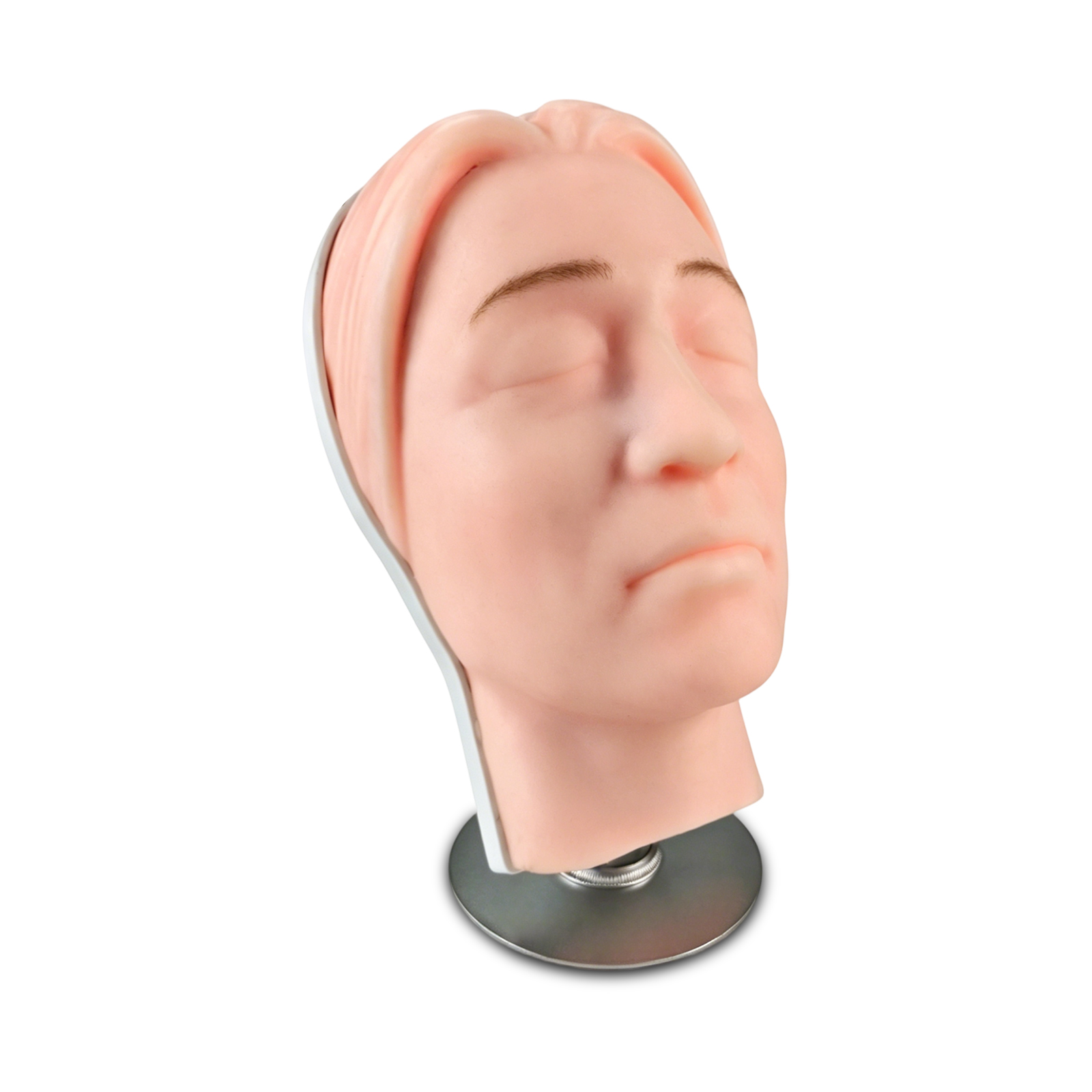
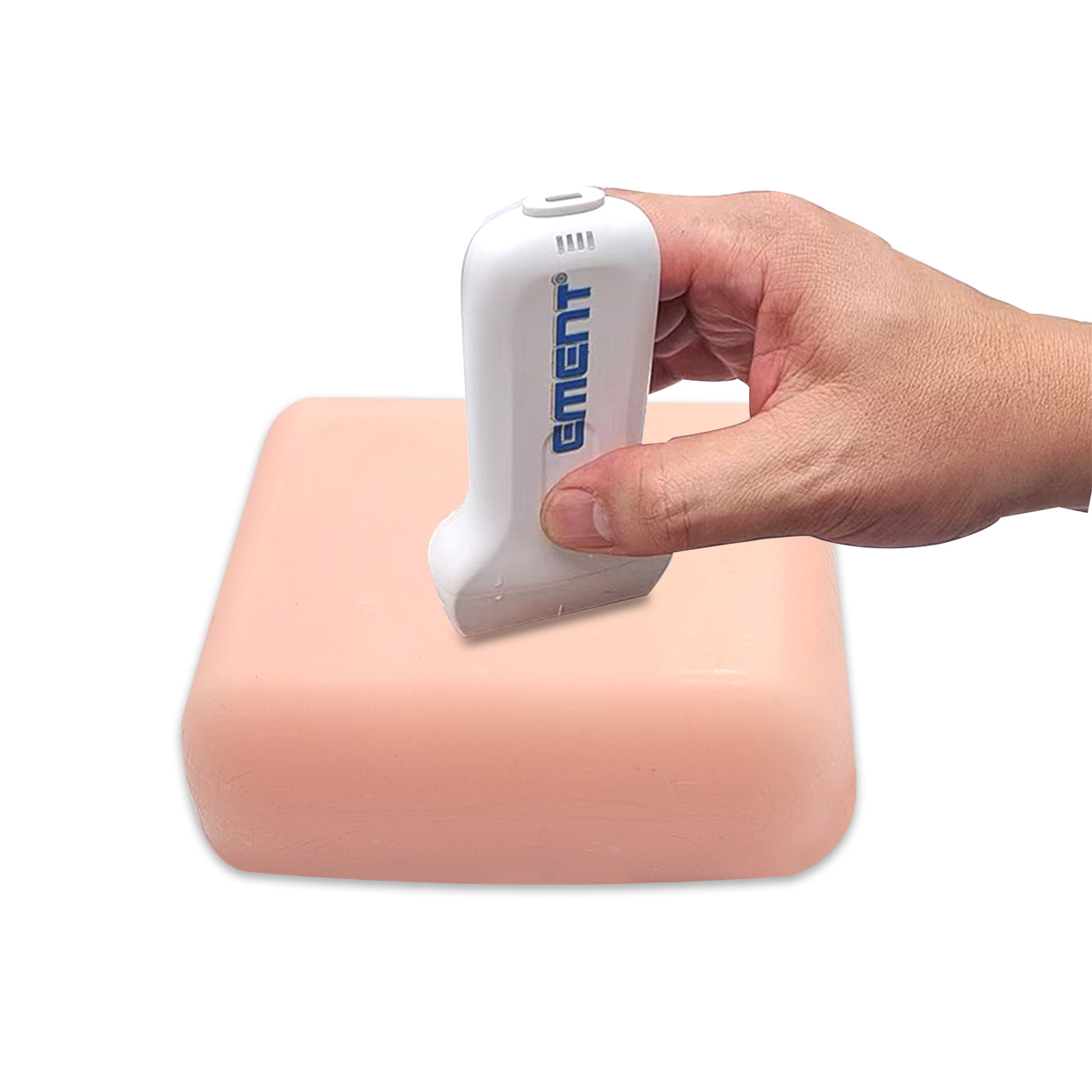
Vascular Model Manufacturer
Jul 23, 2026